Bienvenido a WordPress Esta es tu primera entrada. Empieza tu andadura en el mundo bloguero editándola o borrándola.
-

Ensuring there is still a planet for us and for the animals is one of the missions of the Wilderness Zoo. Becoming more a sustainable inhabitant of this planet is crucial for our future, but a lot of people don’t know where to start. Fear not: we want to share our expertise with you in our Sustainability Workshop! In this 1h free event, you will get tips to make your day-to-day more sustainable and environmentally friendly.
The Workshop welcomes visitors of all ages. You can join us on Sundays, at 14h, in our Biodiversity Gallery, right next to the main entrance. To participate in the workshop, you can send us a message through our Contact page.
-

There is no bigger star in the Wilderness Zoo than Mufasa. Our 10-year-old Lion was rescued from a circus a few years and he just can’t get enough of the spotlight. In our exclusive guided tour In the Lion’s den, you will get to meet Mufasa in his own enclosure and interact with him if he feels like it.
The tour runs Mondays, Wednesdays, Fridays and Sundays at 15:00 and needs to be booked in advance. Occupancy is limited to 6 people, and visitors need to sign a waiver before joining the tour.
Book your ticket below:
-

Dudley Zoological Gardens – Squirrel monkey by Chris Allen is licensed under CC-BY-SA 2.0 Equal parts cuteness and mischief, our Squirrel Monkeys are eager to meet you in a special hangout suited for all ages. Every Saturday at 17h, come meet us at our Monkey Gazebo to get a chance to interact with these cuties.
The hangout admission is included in your regular ticket, but there is limited occupancy in the gazebo, so you should plan to arrive a few minutes before 17h to get in line.
The hangout happens every Saturday from March to November.
-

Come join us Friday evenings for Sunsets at the Zoo!
Throughout the summer months, we’ll be offering Sunsets at the Zoo, an event that runs from 7pm – 11pm.
This event features live entertainment in our main pavilion and local food truck vendors along with a sunset stroll through the park to get a glimpse at the animals in their evening routines.
A silent auction will be held the first Friday of every month, so be sure to purchase your tickets ahead of time!
-

Our newest members of the Wilderness Zoo are back by popular demand. This time, they have a permanent home here at the Wilderness Zoo! Come visit our newest exhibit and snap a selfie with some of our bunnies. Be sure to share on social media! #wildernesszoo-bunnyville

Photo by Pixabay on Pexels.com 
Photo by Pixabay on Pexels.com 
Photo by Pixabay on Pexels.com 
Photo by Lucas on Pexels.com -
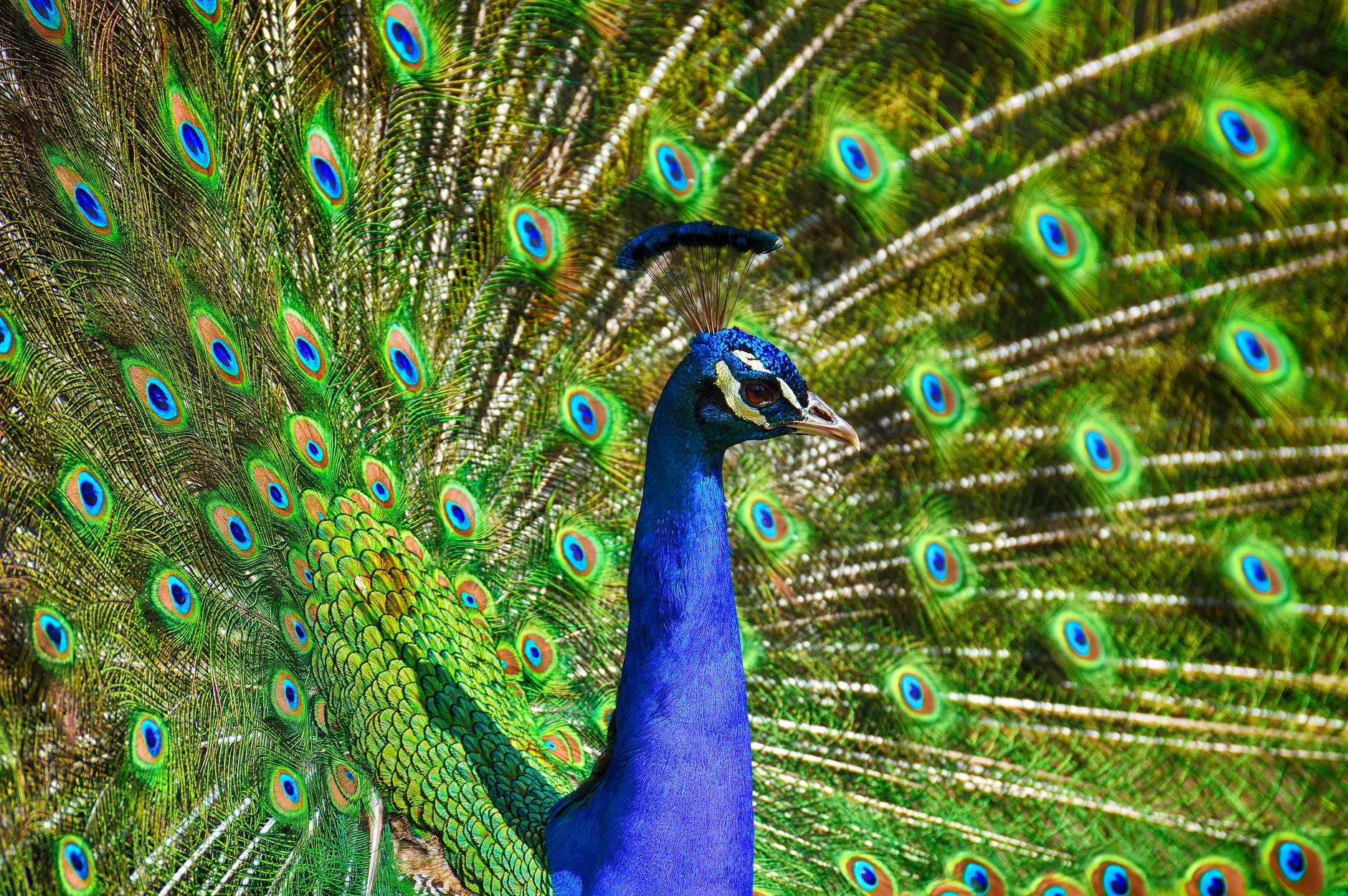
The serene and starry sky and the shining sun are peacocks. The calm, azure heavens, bespangled with a thousand stars, a thousand brilliant eyes, and the sun rich with the colours of the rainbow, offer the appearance of a peacock in all the splendour of its eye-besprinkled feathers.
When the sky or the thousand-rayed sun (sahasrânçus) is hidden in the clouds, or veiled by the autumnal waters, it again resembles the peacock, which, in the dark part of the year, like a great number of vividly-coloured birds, sheds its beautiful plumage, and becomes dark and unadorned; the crow which had put the peacock’s feathers on then returns to caw amongst the funereal crows.
In winter the peacock-crow has nothing remaining to it except its disagreeable and shrill cry, not dissimilar to that of the crows. It is commonly said of the peacock that it has an angel’s feathers, a devil’s voice, and a thief’s walk. The crow-peacock is proverbial.
-
According to Onesicritus, in those parts of India where there is no shadow, the men attain the height of five cubits and two palms, and their life is prolonged to one hundred and thirty years; they die without any symptoms of old age, and just as if they were in the middle period of life. Pergannes calls the Indians, whose age exceeds one hundred years, by the name of Gymnetæ; but not a few authors style them Macrobii.
Ctesias mentions a tribe of them, known by the name of Pandore, whose locality is in the valleys, and who live to their two-hundredth year; their hair is white in youth, and becomes black in old age. On the other hand, there are some people joining up to the country of the Macrobii, who never live beyond their fortieth year, and their females have children once only during their lives.
This circumstance is also mentioned by Agatharchides, who states, in addition, that they live on locusts, and are very swift of foot. Clitarchus and Megasthenes give these people the name of Mandi, and enumerate as many as three hundred villages which belong to them. Their women are capable of bearing children in the seventh year of their age, and become old at forty.
Artemidorus states that in the island of Taprobane (Ceylon) life is prolonged to an extreme length, while at the same time, the body is exempt from weakness. Among the Calingæ, a nation also of India, the women conceive at five years of age, and do not live beyond their eighth year. In other places again, there are men born with long hairy tails, and of remarkable swiftness of foot; while there are others that have ears so large as to cover the whole body. -
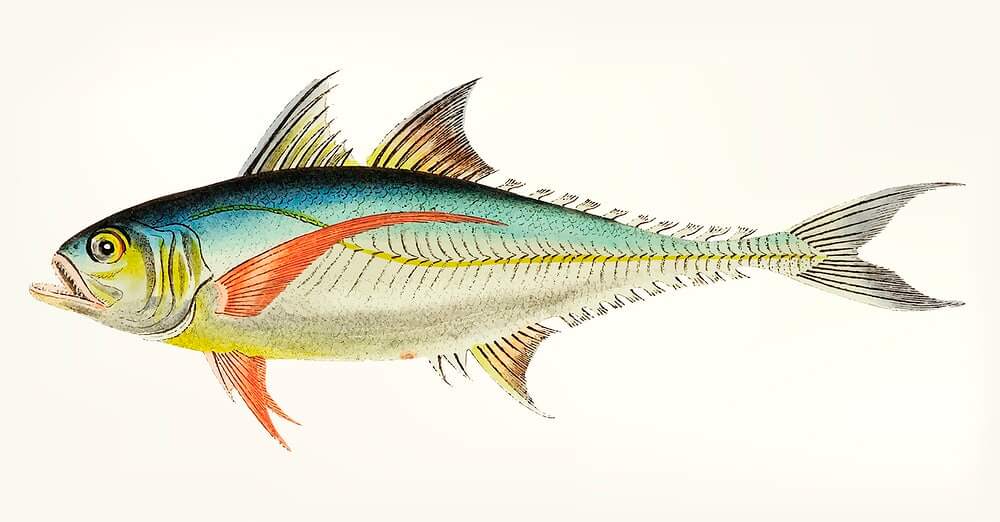
“He had all the body of a fish, but below the head of the fish another head, which was that of a man; also the feet of a man, which came out of its fish’s tail. He had a human voice, and its image is preserved to this day.”